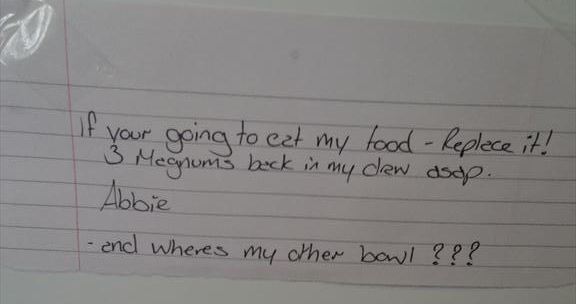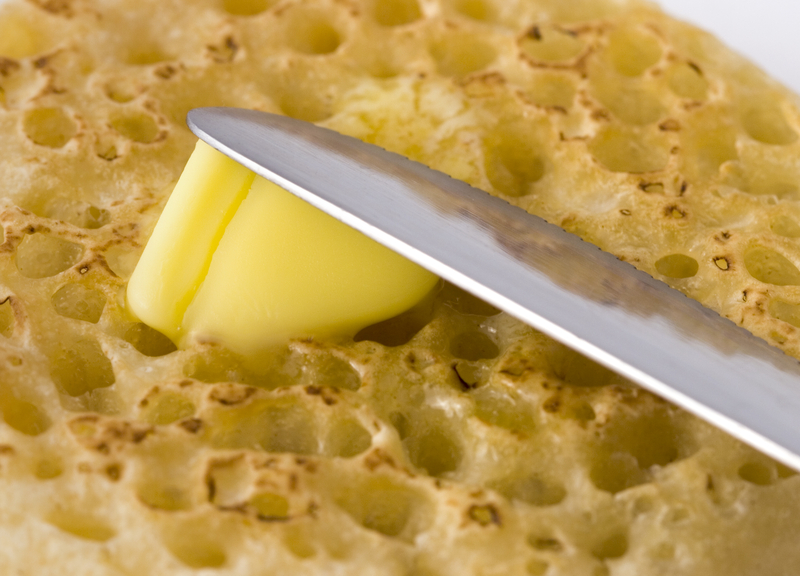
I just took the last crumpet from the packet & the face on my Flatmate was priceless.
— Kevin (@Kevin1V) August 25, 2012
There’s a tweet that used to float around the internet, long since deleted, from a guy named Kevin. Posted back in 2012, it read something like: “I just took the last crumpet from the packet and the face on my flatmate was priceless.”
Eleven words. A complete story. No further context needed.
Anyone who has ever lived in a share house understood immediately. You didn’t need to see the face. You’ve made that face. Or you’ve caused it.
The Last Anything Problem
The last crumpet isn’t really about crumpets. It’s about shared resources, unspoken entitlements, and the quiet social contract that forms the moment two strangers agree to split a lease.
In shared living, certain things develop a kind of collective ownership by proximity. The good pan. The nice chopping board someone left behind. The half-bottle of soy sauce that’s been in the fridge since before anyone can remember. And yes, the food that someone bought but that sits in communal orbit.
Nobody writes a rule about the last crumpet. You just know. Or you don’t, and then you get the face.
It’s Always the Small Things
Ask anyone who’s lived in a share house what actually caused tension, and it’s rarely the big stuff. It’s not the late rent or the mystery guest who stayed for three weeks. It’s the last coffee pod. The empty milk carton put back in the fridge. The shower caddy reorganised without discussion.
These micro-grievances accumulate. They sit in the air of a shared kitchen like steam from the kettle. The crumpet incident is just the moment the steam got visible.
This is one of the things that makes shared living genuinely hard, and genuinely interesting. You’re not just sharing a space. You’re navigating a whole invisible architecture of expectations, most of which were never stated out loud.
The Face
Kevin’s tweet is really about the face. That involuntary, unguarded moment of flatmate betrayal. Not rage. Not a confrontation. Just the face.
It’s a particular kind of expression that only shared living can produce. A look that says: I saw that. I noted that. We will not be discussing this, but I want you to know that I saw it.
Most share house conflict lives in this register. Below the surface. Felt but not spoken. Which is why it tends to linger.
How to Actually Handle the Last Crumpet Situation
If you’re the Kevin in this scenario, there are a few approaches:
The first option is the silent acknowledgement. You eat the crumpet, you make eye contact, you nod. This is not an apology. It is a recognition. Sometimes that’s enough.
The second option is the replacement play. You buy a new packet. You place it in the fridge. You say nothing. You have restored the order of things without the awkwardness of a conversation about crumpets.
The third option, for the truly committed flatmate, is the preemptive offer. “I’m having the last crumpet, do you want it?” This is considered an advanced move. It signals awareness, generosity, and social intelligence in one sentence. It will be remembered.
The fourth option is to eat the crumpet in your room and pretend it never happened. This is the most common option. It is not recommended.
What the Crumpet Actually Teaches Us About Co-Living
Shared living, co-living, house sharing, whatever you want to call it, works best when people get reasonably good at naming small things before they become big things. Not every micro-grievance needs a house meeting. But the ones that keep happening, the ones that get the face every single time, probably deserve a conversation at some point.
The crumpet is a stand-in for a hundred other small negotiations that shape the experience of living with other people. Who buys the next one. Whether communal food is a thing or not. What “help yourself” actually means in this household.
None of this is complicated. All of it, when left to fester, absolutely is.
Flatmate Stories Are All the Same and All Different
The thing about Kevin’s tweet was the universality of it. More than a decade on, you could post that sentence today and get the same response. Because the shared living experience, for all its variation, keeps returning to the same handful of human moments.
The last crumpet. The passive-aggressive dish note. The flatmate who means well but is completely unaware. The moment a stranger becomes someone you sort of love, or sort of can’t stand, or both at once.
These are flatmate stories. They’ve been happening in share houses across Australia and around the world for as long as people have been splitting bills and sharing fridges.
And honestly? They’re the best part.
Got a flatmate story of your own? Find your next one at flatmate.com.